In short
- Winter (June to August) provides clear skies and vivid blue ice caves.
- Summer (December to February) has warmer weather but heavier rainfall.
- Helicopter tours face a 30% to 50% cancellation rate year-round.
In this article
Choosing when to visit Franz Josef depends on your priorities. The West Coast is known for extreme precipitation, receiving roughly 5 meters of rain annually at the glacier base. You must plan around the weather to maximize your chances of a successful helicopter flight.
Is summer or winter better for Franz Josef Glacier?
Winter is generally better for getting on the ice, while summer is better for hiking the valley floor.
Summer (December to February) brings long daylight hours and warmer temperatures. However, it also brings heavy rain systems. Winter (June to August) is colder but typically features clear skies. This stable weather drastically improves your chances of flying.
When is the ice bluest?
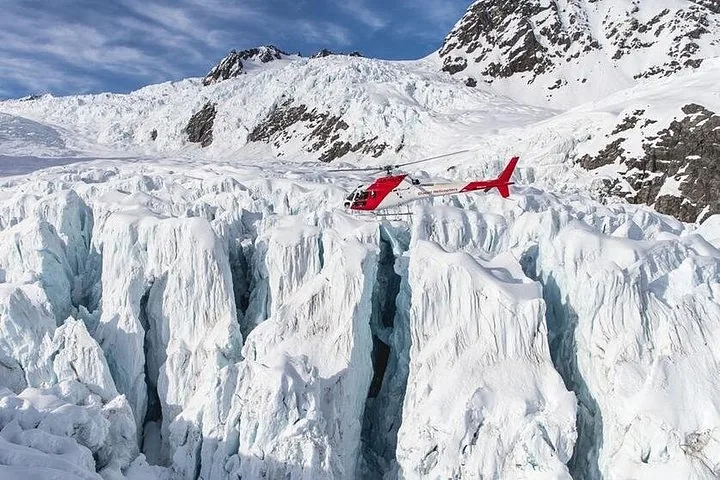
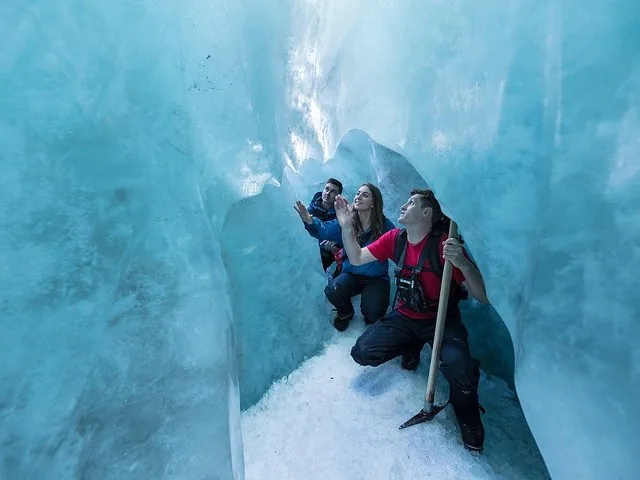
The ice caves and crevasses are bluest during the colder winter months.
Colder temperatures from June to August stabilize the glacier. This allows deeper, more intricate ice caves to form. Guides can safely navigate these structures when the ice is solid. In summer, rapid melting changes the landscape daily.
How often are helicopter flights cancelled?
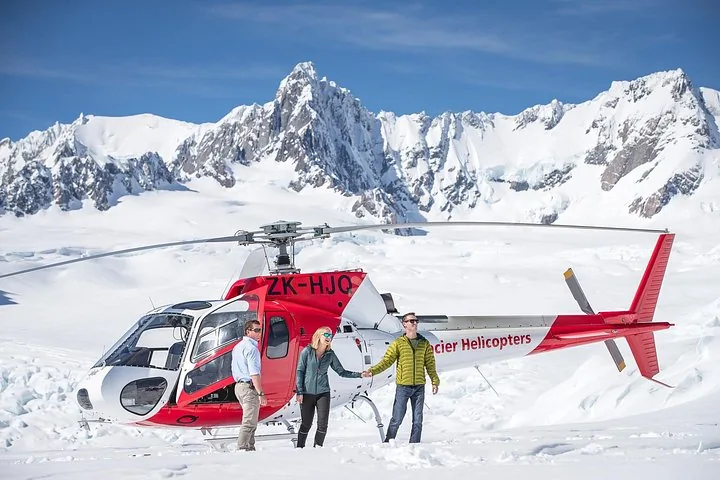
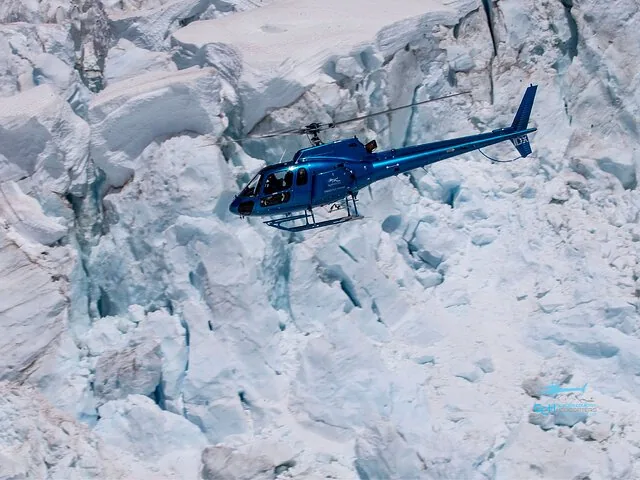
Operators cancel between 30% and 50% of all flights due to unpredictable West Coast weather.
Safety is the priority for all aviation in Westland Tai Poutini National Park. Low clouds, high winds, and heavy rain will ground helicopters. Booking your flight early in your stay gives you a buffer to reschedule. Weather Cancellations
Can you do the free valley walk in the rain?
Yes, the Glacier Valley walk remains open during moderate rain, but heavy downpours can cause sudden floods.
The 1.5 to 2-hour return track is relatively flat. It takes you through rainforest and a rocky riverbed. Always check with the DOC Visitor Centre before starting. Fatal rockfalls and floods occur in this valley.
How cold does it get on the glacier?
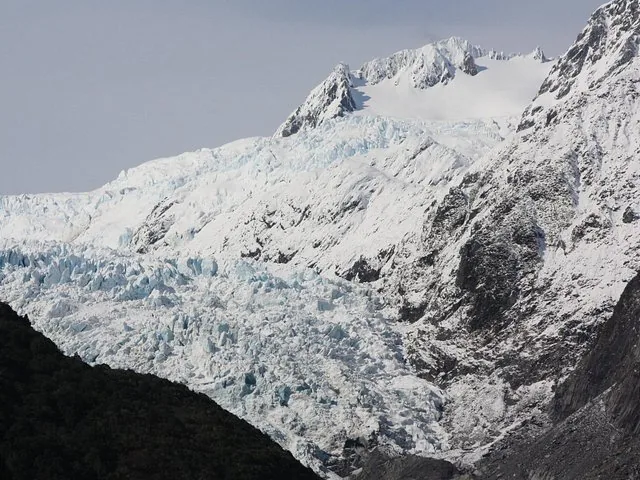
Temperatures on the high neve drop well below freezing, especially in winter.
Even if it feels warm in the township, the ice is freezing. The higher neve receives 10 to 15 meters of snow annually. You must pack warm, non-cotton base layers like merino wool. Tour operators provide jackets and crampons.
What time of day is best to visit?
Early mornings consistently offer the clearest skies and the fewest crowds.
Clouds tend to build up in the valley by the afternoon. Booking a morning flight gives you the best visibility. The permanent town population is 450, but 250,000 visitors arrive annually. Trails get busy by midday.
Questions travellers ask
Does it rain a lot at Franz Josef Glacier?
Yes. The base region receives about 5 meters of rain each year. You should expect rain at any time of year and pack waterproof gear.
When is the best time to visit Franz Josef Glacier?
Winter (June to August) is the most reliable time for clear skies and helicopter flights. The cold weather also creates the most vivid blue ice caves.
Are helicopters the only way to get on Franz Josef Glacier?
Yes. Foot access to the lower glacier permanently closed in 2019 due to rockfalls. You must book a helicopter flight to physically walk on the ice.